
Modern online businesses no longer operate on a single tool or platform. To compete and scale efficiently, companies need systems that bring everything together. This is where hub commerce plays a critical role.
Hub commerce refers to a centralized approach that connects payments, sales channels, customer data, and financial insights into one unified ecosystem. Instead of managing disconnected tools, businesses operate from a single hub designed to support growth.
What Is Hub Commerce?
Hub commerce is a business model and technology approach that integrates core commerce functions into one connected system. It brings together sales platforms, payment processing, analytics, inventory, and customer management.
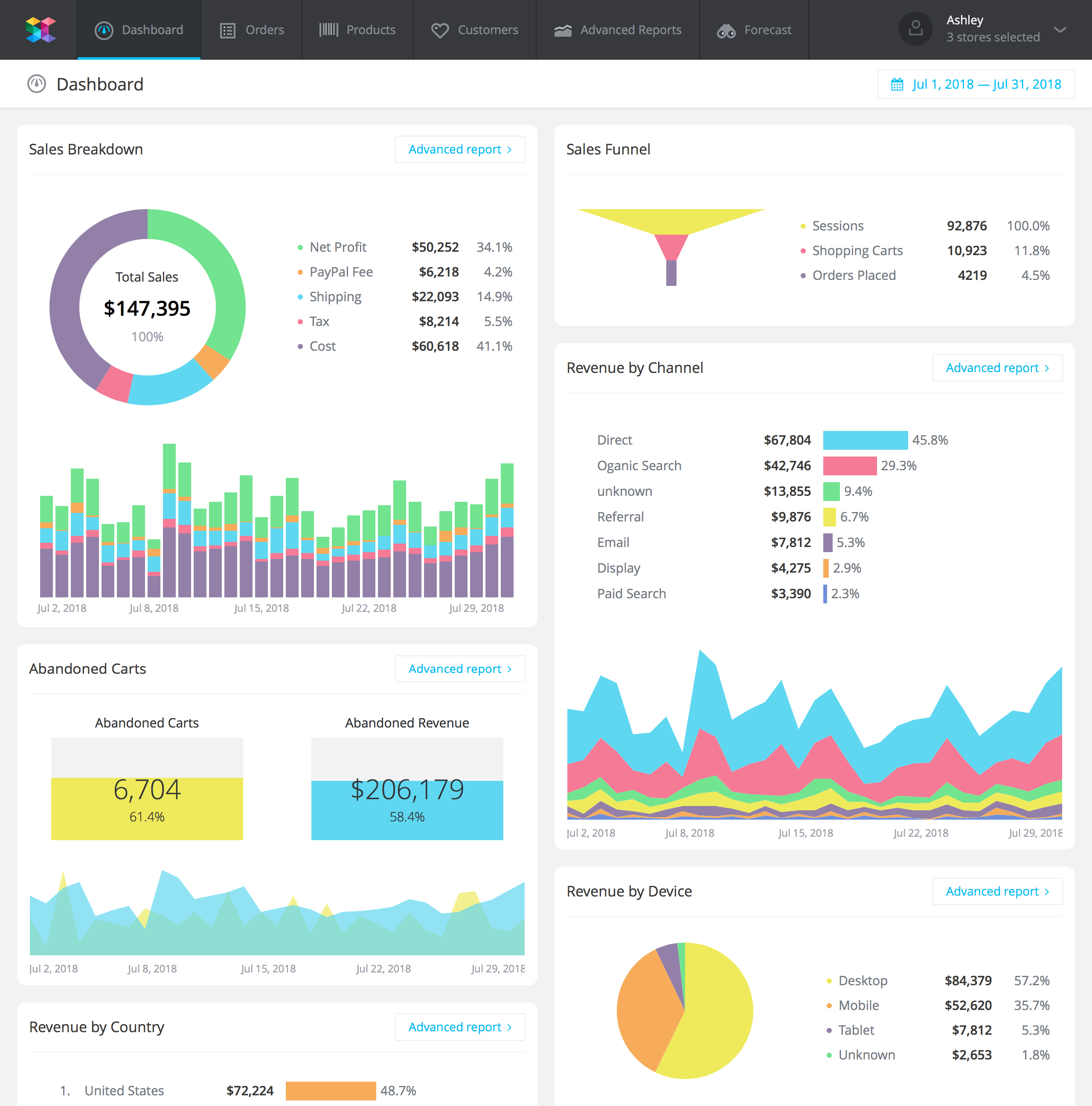
Rather than treating each function separately, hub commerce creates a seamless flow of data and money across the entire electronic commerce business.
Core elements of hub commerce include:
-
Centralized payment processing
-
Multi-channel sales integration
-
Real-time financial reporting
-
Customer and order data synchronization
This structure improves efficiency and decision-making.
Why Hub Commerce Matters in Today’s Market
As online commerce grows more complex, managing multiple systems becomes costly and inefficient. Hub commerce simplifies operations by eliminating silos.
Key benefits include:
-
Better visibility across sales and finance
-
Faster decision-making
-
Reduced operational errors
-
Improved scalability
For any online commerce business, this connected approach creates a strong foundation for sustainable growth.
Connecting Payments and Cash Flow
Payments are the financial engine of commerce. Hub commerce systems centralize payment data across platforms and channels.
This allows businesses to:
-
Track revenue in real time
-
Improve cash flow forecasting
-
Reduce settlement delays
-
Simplify reconciliation and accounting
By connecting payments directly to sales data, hub commerce strengthens financial control.
Sales Channel Integration and Growth
Many businesses sell through websites, marketplaces, and social platforms at the same time. Hub commerce unifies these channels into a single system.
Sales advantages include:
-
Consistent pricing and inventory
-
Centralized order management
-
Unified customer experience
-
Easier expansion into new channels
This integration supports scalable e business growth without operational chaos.

Data-Driven Growth Through Centralized Insights
Data is one of the biggest assets in digital commerce. Hub commerce platforms consolidate data from payments, sales, and customers into one dashboard.
Businesses can use this data to:
-
Identify top-performing products
-
Optimize marketing spend
-
Improve conversion rates
-
Forecast growth more accurately
Centralized insights turn raw data into strategic advantage.
Operational Efficiency and Automation
Manual processes slow down growth. Hub commerce reduces repetitive tasks through automation.
Common automation benefits include:
-
Automated invoicing and reporting
-
Inventory updates across channels
-
Streamlined refunds and returns
-
Reduced administrative workload
Efficiency allows teams to focus on strategy rather than operations.
Supporting Financial Planning and Scaling
Scaling without financial clarity increases risk. Hub commerce supports smarter financial planning by aligning revenue, expenses, and performance data.
It helps businesses:
-
Plan expansion with confidence
-
Maintain healthy cash reserves
-
Control costs during growth
-
Avoid over-reliance on disconnected tools
This alignment is essential for long-term success.
Hub Commerce vs Traditional E-Commerce Systems
Traditional e-commerce systems often rely on multiple third-party tools that do not communicate well with each other. Hub commerce replaces fragmentation with integration.
Key differences:
-
One unified system instead of many tools
-
Real-time data instead of delayed reports
-
Proactive decision-making instead of reactive fixes
This shift enables faster and more controlled growth.
Challenges to Consider
While hub commerce offers many advantages, implementation requires planning.
Potential challenges include:
-
Initial setup and migration
-
Staff training
-
Choosing the right platform
-
Ensuring data security

However, the long-term benefits usually outweigh short-term adjustments.
Conclusion
Hub commerce represents the next evolution of online business operations. By connecting payments, sales, and growth into a single ecosystem, it enables businesses to operate smarter, faster, and more profitably.
In a competitive digital economy, companies that adopt a hub-based commerce approach gain better control, deeper insights, and a stronger path to sustainable growth.
