

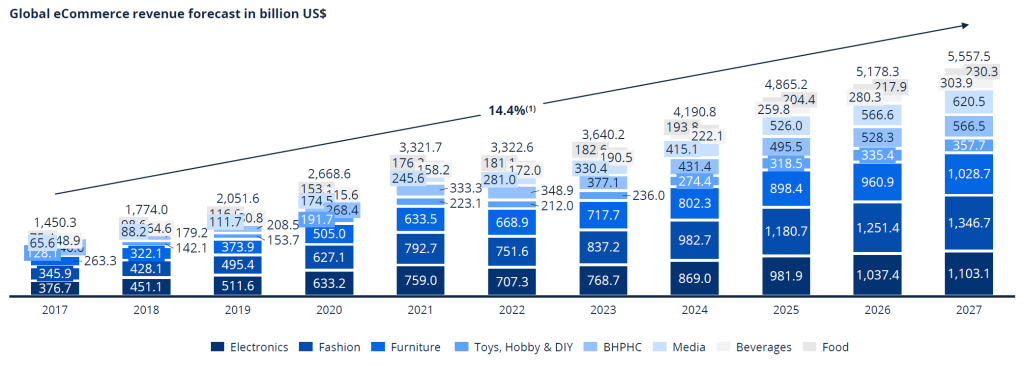
The electronic commerce business landscape is evolving faster than ever, and finance sits at the center of that change. Payment systems, funding options, pricing models, and data-driven decisions are reshaping how online businesses operate and scale.
For business owners, understanding emerging financial trends in e-commerce is no longer optional. These trends directly impact profitability, cash flow, and long-term stability. Staying informed helps businesses adapt before competitors do.
The Shift Toward Real-Time Financial Visibility
One of the biggest trends in e-commerce finance is real-time visibility. Business owners no longer wait for monthly reports to understand performance.
Modern e-commerce finance tools now offer:
-
Live revenue tracking
-
Real-time expense monitoring
-
Instant profit margin insights
-
Automated financial dashboards
This shift enables faster decision-making and reduces financial blind spots.
Digital Payments Continue to Dominate
Digital payments remain a driving force behind e-commerce growth. Consumers expect fast, secure, and flexible payment options.
Key payment-related trends include:
-
Increased use of digital wallets
-
Faster settlement cycles
-
One-click checkout experiences
-
Greater demand for secure transactions
For an online commerce business, payment efficiency directly affects conversion rates and customer trust.
Buy Now, Pay Later (BNPL) Expansion
Buy Now, Pay Later solutions are becoming a standard option in many e commerce businesses. Customers appreciate flexible payment schedules, especially for higher-value purchases.
From a financial perspective, BNPL:
-
Increases average order value
-
Improves conversion rates
-
Shifts payment risk to third-party providers
However, businesses must carefully evaluate fees and cash flow timing.
Data-Driven Financial Planning
Data is no longer just for marketing. Financial planning in e-commerce is becoming deeply data-driven.
Businesses now rely on data to:
-
Forecast revenue more accurately
-
Optimize pricing strategies
-
Track customer lifetime value
-
Reduce financial risk
This trend allows owners to move from reactive budgeting to proactive financial strategy.
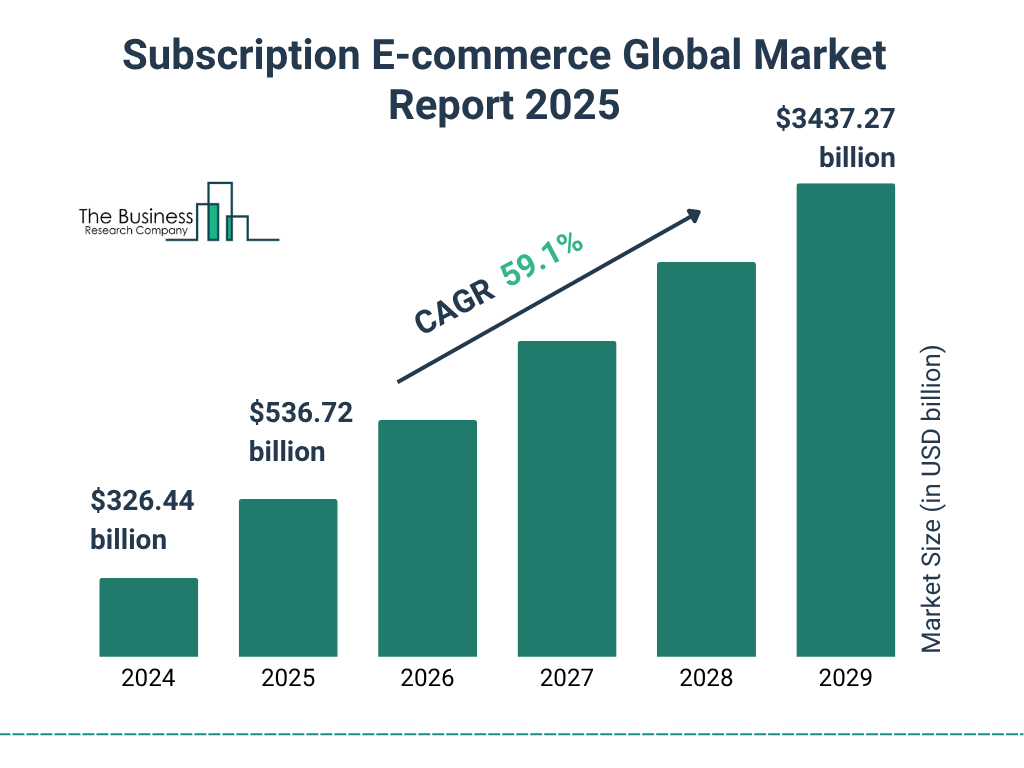
Subscription-based revenue models are gaining momentum across the electronic commerce industry. Predictable income makes financial planning easier and more reliable.
Benefits of recurring revenue include:
-
Stable monthly cash flow
-
Higher customer retention
-
Improved long-term valuation
Many businesses now combine one-time sales with subscriptions to balance revenue streams.
Easier Access to Alternative Financing
Traditional bank loans are no longer the only option. E-commerce businesses increasingly use alternative financing models.
Popular options include:
-
Revenue-based financing
-
Merchant cash advances
-
Platform-based working capital
These solutions rely on real sales data, making funding faster and more accessible for growing e-businesses.
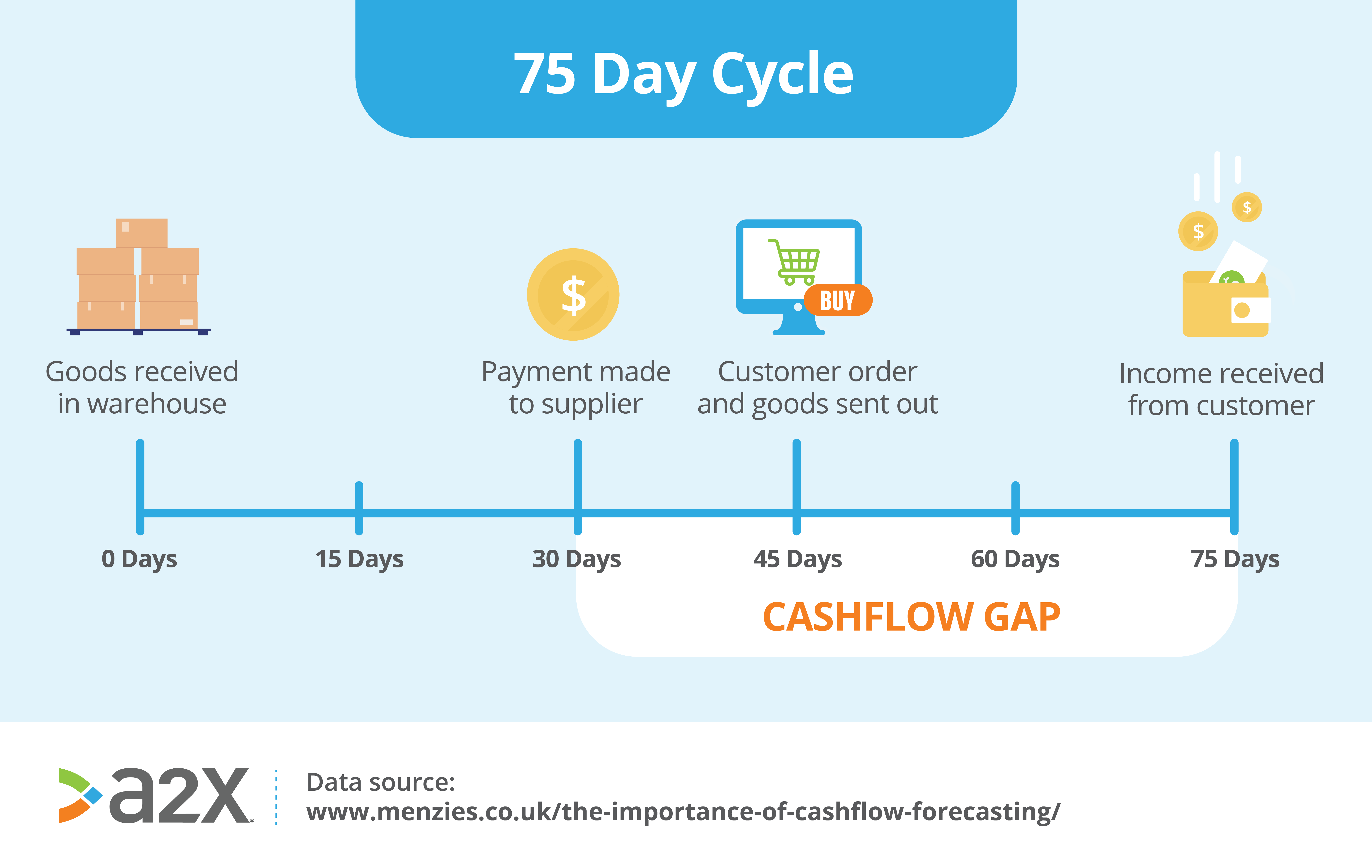
Rising Importance of Cash Flow Management
As ad costs rise and competition increases, cash flow management has become a top priority.
Smart e-commerce businesses are:
-
Monitoring cash flow weekly or daily
-
Reducing unnecessary fixed costs
-
Planning for seasonal fluctuations
-
Avoiding over-dependence on paid ads
Strong cash flow discipline protects businesses during market volatility.
Cross-Border Commerce and Multi-Currency Finance
Global selling is no longer limited to large brands. Even small e-commerce businesses now serve international customers.
This trend brings new financial considerations:
-
Multi-currency pricing
-
Foreign transaction fees
-
Tax and compliance complexities
-
Currency exchange risk
Businesses that manage cross-border finance effectively gain a competitive edge.
Automation in Financial Operations
Automation is transforming how e-commerce businesses handle finance.
Automated systems now support:
-
Invoicing and reconciliation
-
Expense categorization
-
Tax calculations
-
Financial reporting
Automation reduces errors, saves time, and allows owners to focus on growth.
Increased Focus on Financial Security
As digital transactions grow, so do financial risks. Fraud prevention and compliance are now core financial priorities.
Business owners are investing in:
-
Fraud detection tools
-
Secure payment gateways
-
Regular financial audits
-
Compliance with evolving regulations
Trust and security directly influence customer loyalty and brand reputation.
Common Mistakes Business Owners Should Avoid
Even with awareness of trends, mistakes can limit success.
Avoid these common issues:
-
Ignoring financial data until problems arise
-
Scaling too quickly without cash reserves
-
Relying on a single payment or revenue source
-
Underestimating transaction and platform fees
Awareness and planning help businesses stay resilient.
Conclusion
The most successful e-commerce businesses are those that adapt early to changing financial realities. From real-time data and digital payments to alternative financing and automation, financial trends in e-commerce are reshaping how businesses grow.
Business owners who monitor these trends and adjust their strategies accordingly are better positioned to remain profitable, competitive, and future-ready in a rapidly evolving digital economy.
